
ENGINEERING & DESIGN
From Requirements to Production-Ready Magnetics.
Adams Maxwell Magnetics combines magnetic design expertise, materials knowledge and manufacturing experience to develop custom transformers, inductors, coils and magnetic assemblies.
From new designs to modifications of existing components, our engineering team works with customers to address electrical performance, mechanical packaging, environmental conditions and production requirements.
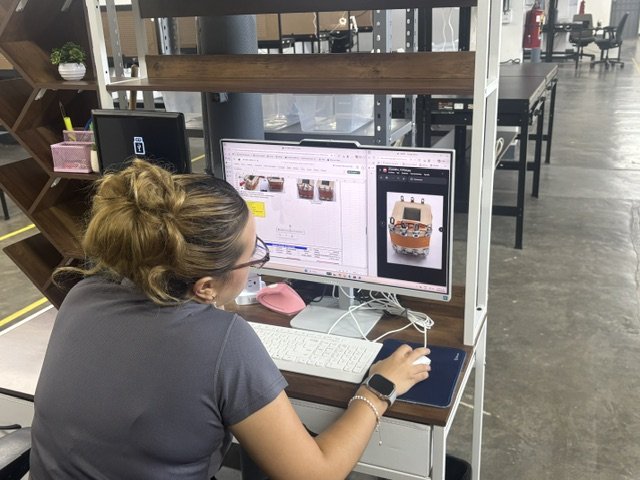
AN EXTENSION OF YOUR ENGINEERING TEAM
More Than Build-to-Print.
Adams Maxwell Magnetics works with customers to develop magnetic components that meet their electrical, mechanical and manufacturing requirements.
Whether you have a complete design, an existing component that needs modification, or only a set of performance requirements, our engineering team can help translate those needs into a practical magnetic solution.
By combining magnetic design knowledge with hands-on manufacturing experience, we consider not only how a component performs, but also how it will be built, tested and produced consistently.
Our engineering support includes:
New magnetic component design and development.
Design review and optimization of existing components.
Core, conductor and insulation system selection.
Electrical and mechanical design considerations.
Prototype development and design refinement.
Engineering support for production transitions.
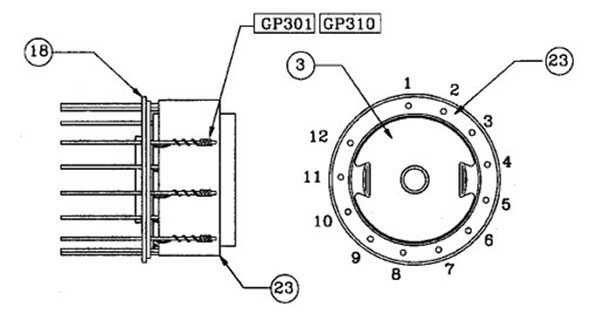
OUR ENGINEERING PROCESS
From Concept to Production-Ready Design.
Every magnetic component begins with a set of performance requirements. Our engineering process brings together electrical design, material selection, mechanical considerations and manufacturing experience to develop a solution suited to each application.
01
Requirements Review
Define electrical, mechanical, environmental and production requirements.
05
02
Magnetic Design
Evaluate magnetic performance, core geometry and electrical characteristics
Prototype Development
Build initial components to evaluate design and manufacturing considerations.
06
03
Material Selection
Select appropriate core materials, conductors and insulation systems.
Verify performance and refine the design against application requirements
04
Winding & Packaging
Develop winding configurations, terminations and mechanical packaging
07
Testing & Refinement
Production Transition
Establish manufacturing documentation and controlled production processes
MAGNETIC DESIGN
Engineering Performance Into Every Component.
Magnetic design begins with understanding the electrical performance required by each application.
Adams Maxwell Magnetics evaluates operating voltage, current, frequency, inductance, power requirements and other electrical characteristics to develop magnetic components suited to the intended operating conditions.
Our engineering approach considers core geometry, magnetic materials, winding configurations, insulation systems and mechanical constraints together, helping balance electrical performance with practical manufacturing requirements.
Key Design Considerations
Electrical performance and operating conditions
Core geometry and magnetic characteristics
Winding configurations and conductor selection
Thermal and insulation requirements
Mechanical packaging and manufacturing feasibility
CORE & MATERIAL SELECTION
Selecting the Right Materials for Performance.
The selection of magnetic core materials, conductors and insulation systems plays a critical role in the electrical performance and reliability of every magnetic component.
Adams Maxwell Magnetics evaluates core materials and geometries based on operating frequency, flux density, power requirements, thermal characteristics and application-specific conditions.
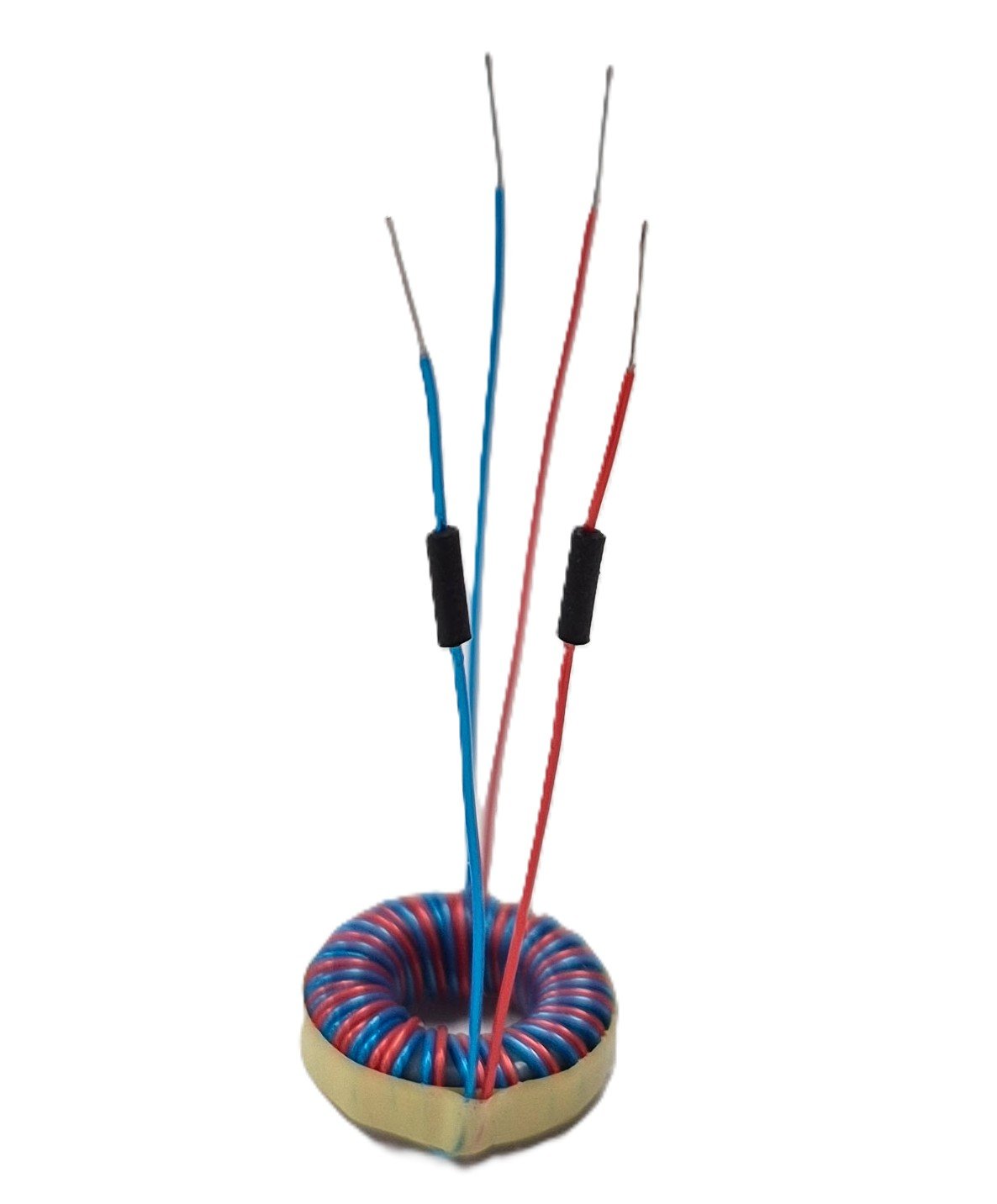
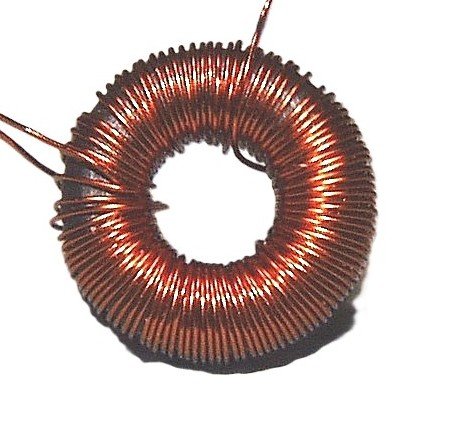
Our engineering capabilities support a variety of magnetic core configurations, including toroidal cores, laminated cores, C-cores, pot cores and specialized magnetic structures.
Material and Design Considerations
Magnetic core materials and geometries
Copper, nickel alloy and specialty conductors
Insulation systems and dielectric requirements
Thermal performance and operating environments
Material compatibility with manufacturing processes
WINDING SYSTEM DESIGN
Precision Winding Engineered for Performance.
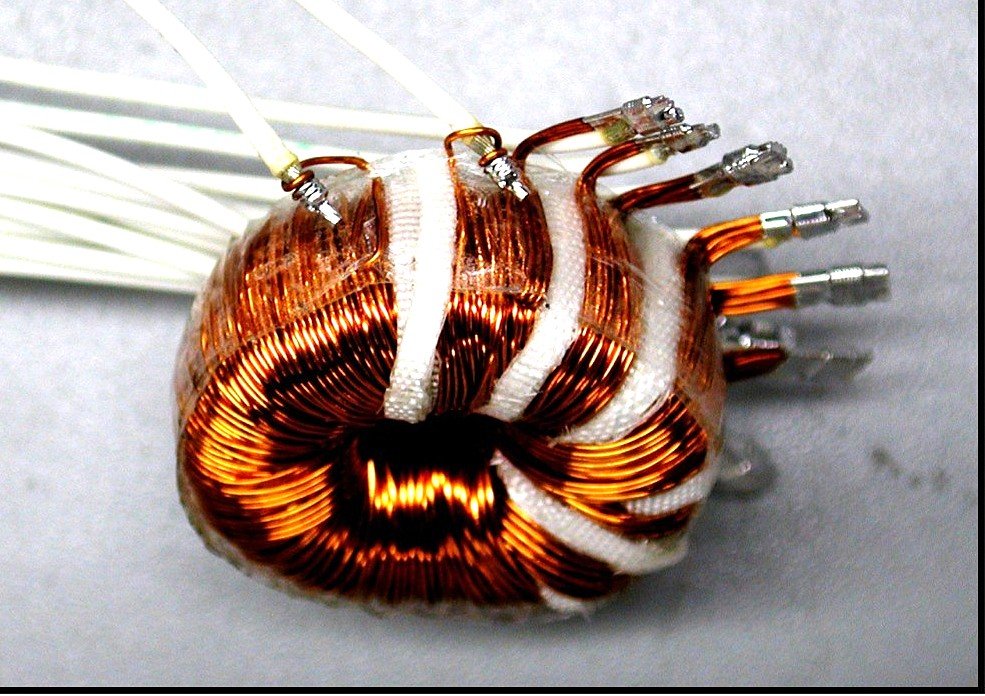
The winding configuration of a magnetic component directly influences its electrical characteristics, thermal performance, insulation requirements and manufacturability.
Adams Maxwell Magnetics develops winding systems around the specific requirements of each application, considering conductor selection, winding geometry, layer construction, insulation and termination methods.
Our engineering and manufacturing experience supports a wide range of winding configurations, from conventional bobbin and toroidal windings to specialized multilayer and precision-wound assemblies.
Winding Design Considerations
Conductor size, material and configuration
Winding geometry and layer construction
Insulation systems and dielectric requirements
Lead attachment and termination methods
Thermal management and mechanical stability
Repeatability and production requirements
MECHANICAL PACKAGING
Designed to Fit. Engineered to Perform.
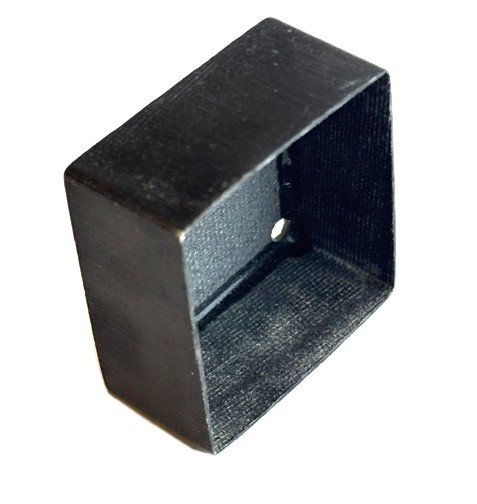
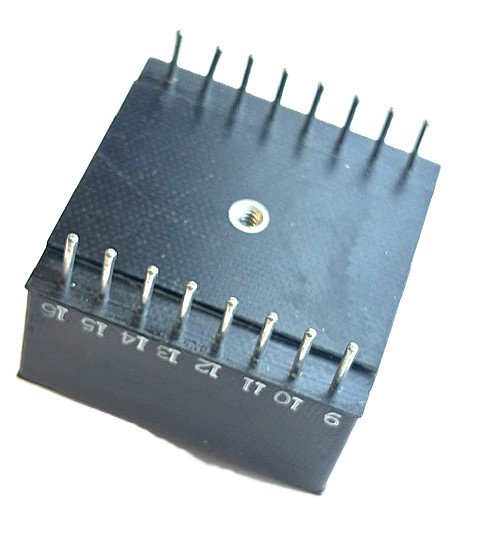
Mechanical packaging is an essential part of magnetic component design, influencing installation, environmental protection, thermal performance and long-term reliability.
Adams Maxwell Magnetics develops packaging solutions around each application's physical constraints, mounting requirements, electrical connections and operating environment.
Our engineering team considers mechanical construction alongside electrical design to help ensure that completed magnetic components can be manufactured, assembled and integrated into the customer's equipment.
Packaging Design Considerations
Component dimensions and available installation space
Mounting configurations and mechanical interfaces
Lead wires, terminals and electrical connections
Encapsulation, molding and protective housings
Thermal management and environmental protection
Assembly requirements and manufacturing feasibility
PROTOTYPE, TEST & REFINE
Turning Engineering Designs Into Proven Hardware.
Prototype development provides an opportunity to evaluate magnetic component designs before transitioning into repeat production.
Adams Maxwell Magnetics combines engineering and manufacturing capabilities to produce prototype components, evaluate electrical performance and refine designs based on testing and application requirements.
Our approach considers both component performance and manufacturing repeatability, helping customers move from initial development toward production-ready magnetic assemblies.
Our Development Approach
Prototype fabrication and assembly
Electrical testing and performance verification
Evaluation of materials and winding configurations
Design adjustments based on test results
Manufacturing process refinement
Preparation for repeat production
ENGINEERING & MANUFACTURING INTEGRATION
Engineered With Manufacturing in Mind.
A successful magnetic design must not only meet electrical and mechanical requirements—it must also be practical to manufacture consistently.
At Adams Maxwell Magnetics, engineering and manufacturing work together throughout development. This integrated approach helps address winding methods, material selection, assembly procedures, testing requirements and production considerations early in the design process.
By considering manufacturability from the beginning, we help customers transition from initial prototypes to repeatable production while maintaining the required electrical performance and workmanship standards.
03
Production Repeatability
Establish winding, assembly and insulation procedures suited to each design
01
Design for Manufacturing
Consider production methods and assembly requirements during development.
02
Process Development
Incorporate inspection and electrical verification into the manufacturing process.
04
Testing & Verification
Support consistent manufacturing through documented processes and controlled workmanship
ENGINEERING FLEXIBILITY
New Designs. Existing Designs. The Right Engineering Support.
Not every project begins with a new design. Some customers need a magnetic component developed from initial requirements, while others need an established design modified, reproduced or transitioned into production.
Adams Maxwell Magnetics supports both approaches, combining magnetic design expertise with practical manufacturing experience.
01
New Designs & Development
Engineering support for applications requiring a new magnetic component.
Electrical and mechanical requirements
Magnetic design and material selection
Prototype development and testing
Design refinement
Production-ready documentation
02
Existing & Legacy Designs
Manufacturing and engineering support for established magnetic components.
Build-to-print manufacturing
Design modifications and improvements
Replacement or obsolete components
Manufacturing process review
Production transfers and second-source opportunities
ENGINEERING TO PRODUCTION
From Design Development to Reliable Manufacturing.
Engineering does not end when a prototype meets its performance requirements. A successful magnetic component must also be practical to manufacture, inspect, test and reproduce consistently.
Adams Maxwell Magnetics combines engineering and manufacturing experience to help customers transition from initial development into controlled production.
Our integrated approach helps ensure that design decisions, materials, winding configurations, assembly methods and testing requirements are considered throughout the development process.
01
Design Validation
Evaluate electrical and mechanical performance against application requirements
02
Manufacturing Preparation
Establish materials, winding methods, assembly procedures and production documentation.
03
Process Verification
Confirm manufacturing processes, inspection requirements and electrical testing methods.
04
Repeat Production
Transition to documented manufacturing processes supporting consistent quality and repeatability.
READY TO START A PROJECT?
Let’s Build the Right Magnetic Solution.
Whether you have a complete drawing, an existing part, or just a set of electrical and mechanical requirements, our team can help move your project from concept to production.
Drawings and complete specifications are not required to get started